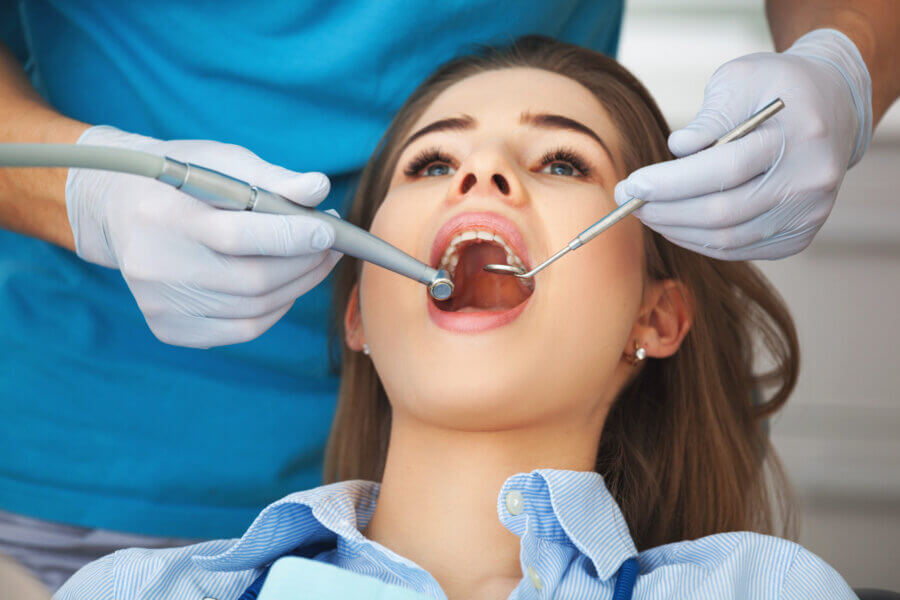
Many people avoid the dentist because of fear, confusion, or old stories that never fade. These myths spread fast and cause real harm. They keep you from care that protects your teeth, your smile, and your health. Some myths sound harmless. Others seem convincing. All of them create doubt and delay. This blog clears up five common myths about general dentistry so you can decide with calm and confidence. You will see what is true, what is false, and what you can do today. A Chalfont dentist hears these myths every week from patients who feel ashamed, scared, or resigned. You do not need to feel that way. You deserve clear answers, plain language, and honest guidance. When you understand the truth, appointments feel easier. Treatment feels lighter. Most important, you gain control over your health instead of letting fear control you.
Myth 1: “If My Teeth Do Not Hurt, I Do Not Need a Dentist”
Pain is a late warning sign. Decay, gum disease, and infection often grow in silence. You may feel fine while damage spreads.
Regular checkups find small problems before they turn into emergencies. You save teeth, money, and time. You also avoid sudden, painful visits.
According to the Centers for Disease Control and Prevention, cavities are one of the most common chronic conditions in the United States. Many start in childhood and continue into adulthood. Early care changes that pattern.
You should schedule routine exams and cleanings at least twice a year. Your dentist may suggest a different schedule based on your health, medicines, or past treatment.
Myth 2: “Dental Cleanings Damage Enamel”
This myth causes quiet fear. You may worry that scraping or polishing will thin your enamel and weaken your teeth.
In truth, trained dental staff use tools and methods that protect enamel. Cleanings remove plaque and tartar that your toothbrush and floss cannot remove. That buildup feeds bacteria and leads to decay and gum disease.
Enamel is the hardest substance in your body. Routine cleaning does not shave it away. Instead, it removes the film that attacks it.
After a cleaning, your teeth may feel sensitive for a short time. That feeling comes from exposed areas that were covered by tartar. It does not mean your enamel was harmed.
Myth 3: “All Dental X-Rays Are Unsafe”
Many people fear any kind of radiation. That fear is human and strong. You deserve clear facts.
Dental X-rays use a low dose of radiation. Modern digital systems use even less. Lead aprons and thyroid collars give more protection. Your dentist also takes X-rays only when needed for diagnosis or treatment planning.
The National Institute of Dental and Craniofacial Research explains that the benefits of needed X-rays outweigh the small risks. X-rays help find decay between teeth, bone loss, infections, and other hidden problems.
You can always ask why an X-ray is needed, how often you have had them, and whether any can wait. Together, you and your dentist can choose a safe plan.
Myth 4: “Children Do Not Need a Dentist Until All Baby Teeth Fall Out”
Baby teeth matter. They help your child chew, speak, and smile. They also hold space for adult teeth. When baby teeth decay or fall out early, adult teeth may come in crooked or crowded.
The American Academy of Pediatric Dentistry advises that a child see a dentist by the first birthday or within six months of the first tooth coming in. Early visits help your child feel calm in the chair. They also give you clear guidance on brushing, flossing, and snacks.
Untreated decay in baby teeth can cause pain, infection, and missed school days. It can also affect eating and growth. Early care protects your child’s body and mind.
Myth 5: “Dentists Only Care About Expensive Procedures”
This myth grows from bad past experiences and from stories that spread fast. It can leave you guarded and silent in the chair.
Most general dentists focus on prevention. They would rather help you avoid root canals, extractions, and complex treatment. Cleanings, exams, fluoride, and sealants protect against those bigger steps.
You have the right to clear options, written estimates, and time to think. You can ask for a simple plan that starts with the most urgent needs. You can also ask about lower-cost options when they exist.
A good dentist listens, explains, and respects your choices. If you feel pushed or confused, you can seek a second opinion.
How Myths Compare With Facts
The table below shows how common myths stack up against what evidence and practice show.
| Myth | What It Claims | What Evidence Shows
|
|---|---|---|
| No pain means no problem | Teeth are fine unless they hurt | Decay and gum disease often grow without pain until late stages |
| Cleanings damage enamel | Scraping thins or scratches teeth | Professional cleanings remove plaque and tartar and protect enamel |
| X-rays are unsafe | Any dental X-ray is harmful | Modern X-rays use low doses with strong safeguards |
| Kids can wait for a dentist | Baby teeth do not matter | Baby teeth guide adult teeth and affect speech, eating, and growth |
| Dentists only push costly work | Prevention does not matter | Routine care and early treatment lower the need for complex work |
How You Can Protect Your Teeth Today
You have more control than you may feel. You can start with three simple steps.
- Schedule a routine exam and cleaning if you are overdue.
- Ask clear questions about any test or treatment.
- Brush twice a day with fluoride toothpaste and clean between teeth daily.
Fear grows in silence. Facts calm that fear. When you replace myths with truth, you protect your teeth, your comfort, and your future health. You also set a strong example for your family.